Insulation is the whole selling point of a vacuum flask, yet whether it holds heat has always been judged by hand — no data, nothing to accept against, nothing to show a customer. We turned heating, sensing and judgement into one automatic sequence: every flask gets a verdict and a record, exportable and ready for MES. Single unit, two-unit tandem, or bolted onto the end of your polishing or packaging line.
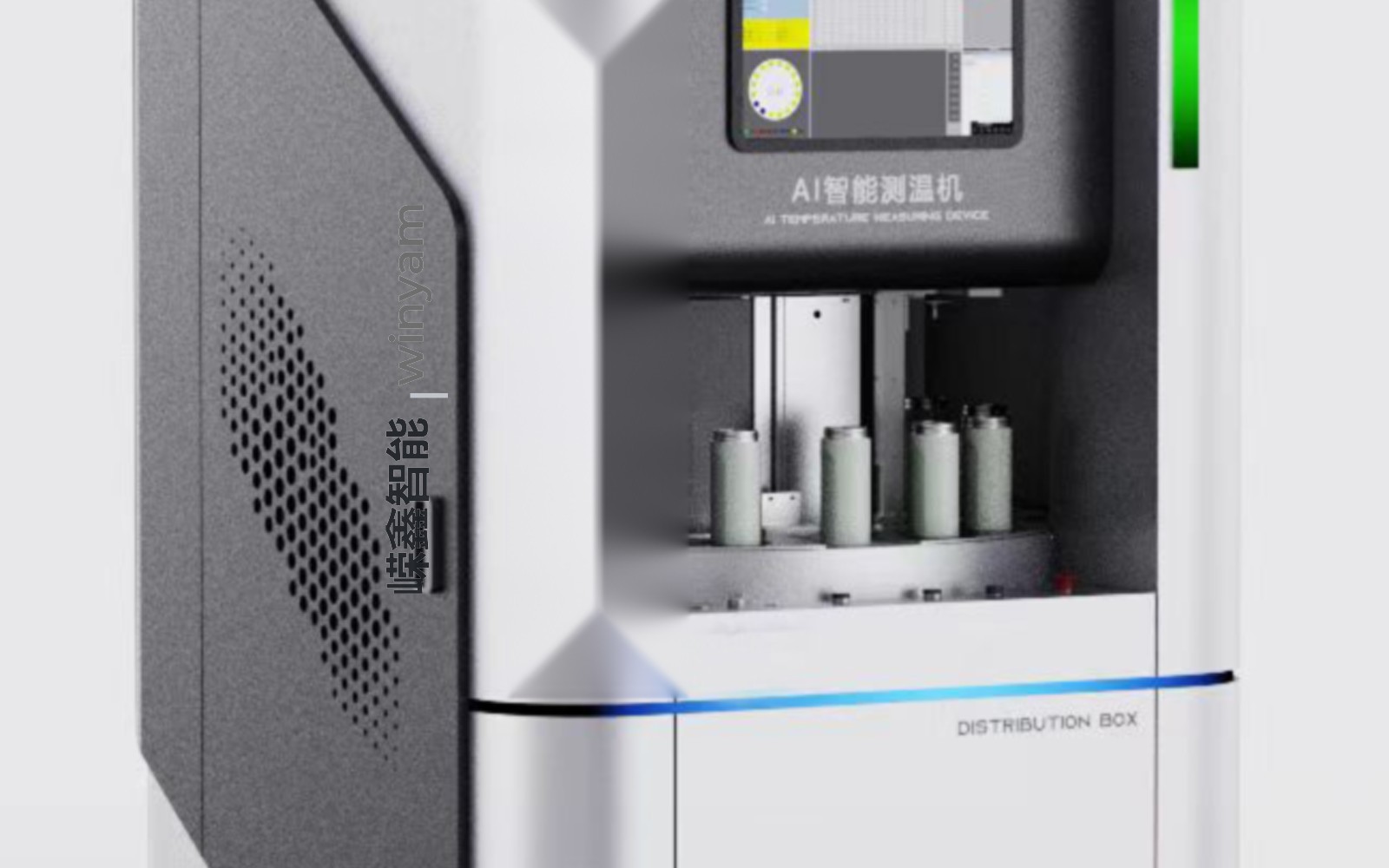 Running on a customer site
WHY MEASURE IT
When a customer asks how many hours your flask holds heat, “it feels fine” is not an answer. With a tester every check carries a temperature curve and a verdict: bad units are stopped before they ship, batch records are kept, and a complaint can be answered with data — down to which batch it came from.
| Item | By hand | By machine |
|---|---|---|
| Judgement basis | Fingertip and experience | Temperature data and rules |
| Consistency | Varies by person and shift | One standard, batch to batch |
| Records | None, nothing to trace | Captured automatically, exportable |
| Sampling vs 100% | Sample only | 100% possible, no bad unit ships |
| Talking to your customer | Verbal assurance | Data you can show |
SPEC & CONFIGURATION
Output, cycle time and dimensions depend on your part, so we don't publish estimates. Firm figures are quoted at proposal stage against your actual workpiece.
| What it tests | Vacuum insulated containers: flasks, food jars, vacuum pots |
| Cup range | Mainstream cup types (outer diameter / body height / rim bore by range); outside that range, built to order |
| What is measured | Insulation performance — multi-point sampling of the cooling curve after heating; picks out low-vacuum and abnormal bodies |
| Heating | Our own carbon-fibre infrared elements, no long pre-heat; no contact contamination of the body |
| Loading | Manual / belt feed with robot pick-and-place / linked to your polishing or packaging line |
| Good and reject handling | Automatic verdict, good and reject routed separately (can rejoin an existing line) |
| Data | Local storage plus database, RS-485 or Ethernet, MES integration |
| Output / cycle / footprint | Calibrated to cup type and configuration (single or tandem); firm figures at proposal stage |
DELIVERY & ACCEPTANCE
01
Part dimensions, target output, existing process and site conditions are agreed before the machine is configured.
02
You test with your own parts and approve cycle time and finished quality before shipment.
03
We install, tune the parameters, and run it until it produces steadily.
04
Operator and maintenance training; long-term technical support, on site when needed.
RELATED EQUIPMENT
Station · Surface
Replaces hand polishing with stable cycle time and uniform finish.
Station · Welding
Rolling and seam welding in one station for a tighter seal.
Station · Welding
Dedicated laser cell for kettle and flask spouts.
FAQ
These are the questions that actually come up on calls and on site. Answers describe how we really work, including what we can't do.
It works, but three things catch up with you. First, it depends on feel: the same person differs morning and afternoon, and whether they are distracted that day changes the verdict — the standard isn't fixed. Second, it is slow: each unit waits a long time before anyone can call it. Third, nothing is recorded, so when a customer audits the plant and asks for test data you have nothing. The machine doesn't make the hand-check faster; it fixes heating, sensing and judgement as parameters and leaves a record for every flask.
Sampling and 100% testing are different jobs, and which one you need depends on what your customers demand. If you sample, define it properly — how many units, how long they rest, who signs off. If a customer requires 100%, or you have had a batch complaint, build it as an inline 100% station. Tell me your sampling ratio and who makes the call, and only then can I say whether it pays.
You and your customer set it: how long the flask rests, how much temperature drop counts as a failure — that is your call, we don't set standards for our customers. Our job is to make heating, sensing and judgement repeatable and the results exportable. Give me the standard and I write the logic against it.
Yes. Stored locally per flask or per batch, exportable, and it can feed your existing MES (interface built to your side — we don't push our own software). To trace one unit, the batch number gets you there. What an audit asks for isn't “we tested it”, it's “which batch, when, and who signed it off”.
It is not an off-the-shelf price. Three things drive it: how many stations (single or tandem), whether you need automatic loading, and whether it talks to MES. Give me your cup type and target output and I'll quote a range against a proposal — a number quoted blind is meaningless and you cannot compare it.
Yes, and I would recommend it. Send a batch of cups, good ones and rejects, but don't tell us which is which. We test blind, then hand you the verdicts and the process log and you score us. That is the only way to see whether the machine is actually right. If you are still unsure, we can arrange a trial at your plant.
Not hard. The interface is built for line operators, not engineers: load, unload, read the verdict. Training covers operation and daily upkeep together; most operators are running it within a shift.
Daily upkeep is cleaning and checking fixtures and sensors, which your own people can do. The main wear item is the heating element; we can teach a replacement in under an hour. If something fails, call us: one-year warranty on the machine, and after that we can attend on site in the Pearl River Delta and in Yongkang, Zhejiang. Exact warranty scope and response times are set in the contract.
GET IN TOUCH
Send the product type, part dimensions, target output and your current process. We come back with cycle time and layout thinking first, then a proposal and price range.
Replies within one business day.